
The Rise of AI in Graphic Design: Friend, Tool, or Threat?
If you have spent any time in design communities over the past two years, you have encountered one heated debate above all others: will artificial intelligence replace graphic designers? The question is understandable. Tools like Midjourney, Adobe Firefly, DALL·E, and Stable Diffusion can now generate visually compelling images from text prompts in seconds. What used to require a skilled designer, hours of work, and expensive software can now be approximated in under a minute by anyone with an internet connection.
But here is the more nuanced, and ultimately more accurate, picture: AI is not replacing graphic designers. It is replacing the parts of graphic design that did not require creativity in the first place. And for designers who learn to harness these tools strategically, AI represents the greatest productivity multiplier in the history of the profession.
What AI Can Actually Do Well
To have a productive conversation about AI and design, we need to be specific about what these tools excel at. AI image generators are genuinely excellent at creating unique stock imagery, generating textural backgrounds and abstract patterns, producing initial concept sketches and mood board images, rapid prototyping of visual directions, and creating variations on an existing design concept.
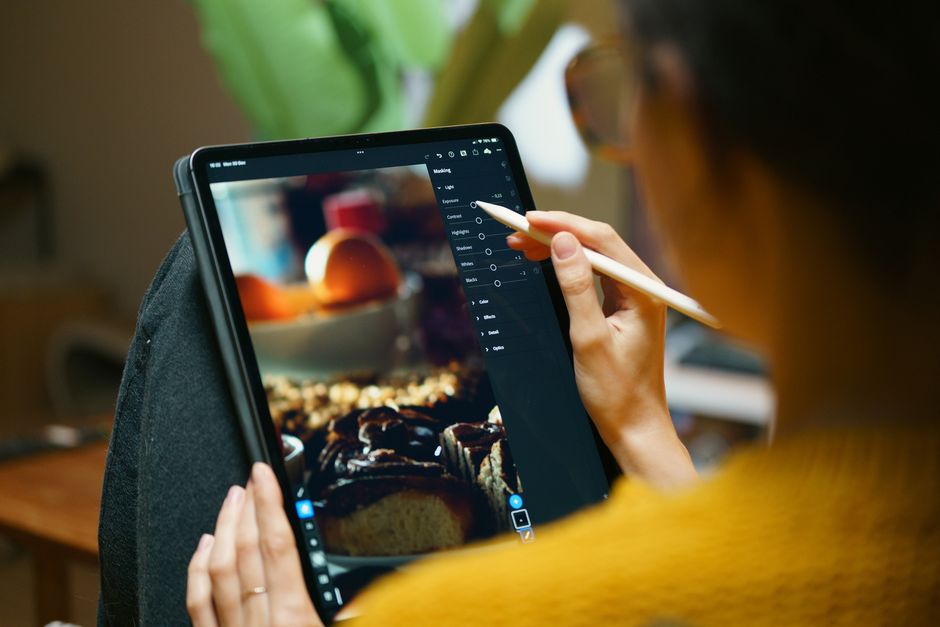
Adobe Firefly, integrated directly into Photoshop and Illustrator, has been particularly game-changing for working professionals. Its generative fill feature allows designers to extend images seamlessly, remove objects with stunning accuracy, and experiment with background variations without leaving their primary design software.
What AI Cannot Do (Yet)
AI tools are currently unable to understand brand strategy at a deep level, build genuine client relationships, navigate complex briefs with multiple stakeholders, make culturally sensitive creative decisions, or produce legally unique intellectual property with verified originality. These are precisely the areas where experienced graphic designers command their highest rates and provide their greatest value.
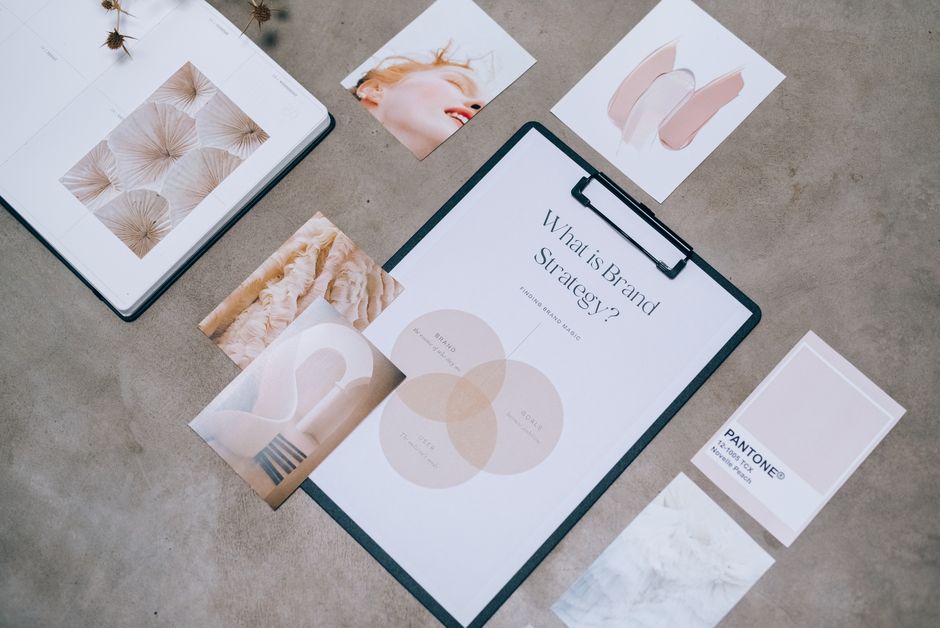
A brand identity is not just a pretty logo. It is a strategic communication tool built from research, competitive analysis, target audience psychology, and business goals. No AI prompt can replace the discovery process that makes brand design work.
The Designers Who Are Thriving with AI
The most forward-thinking designers in 2025 are using AI to handle the repetitive, time-consuming parts of their workflow so they can focus on high-value creative thinking. They use Midjourney for rapid mood boarding. They use Firefly to clean up photography. They use AI writing assistants to draft project proposals faster. The result is that they can take on more clients, deliver faster, and charge more for the strategic thinking that AI cannot replicate.
Ethical Considerations Every Designer Should Know
The rise of AI in design comes with serious ethical questions that responsible designers cannot ignore. Training data consent remains unresolved — many AI models were trained on artists’ work without permission or compensation. Style replication raises questions about authenticity and plagiarism. And the environmental cost of running large AI models at scale is significant.
As a professional, being aware of these issues and making intentional choices about which tools you use and how you use them is part of ethical practice. Many clients, especially in the arts and cultural sector, are now asking designers about their AI policies.
How to Build AI Skills Without Losing Your Creative Edge
Start by learning the tools in low-stakes contexts. Use AI to generate reference images for personal projects. Experiment with Firefly’s generative features on your own photography. Take an online course specifically focused on prompt engineering for designers.
Most importantly, do not let AI become a crutch. Use it to accelerate and enhance your creative process, not to bypass it. The designers who will be most valuable in the next decade are those who combine human creative intelligence with AI efficiency — a skill set that takes time to develop but creates an enormous competitive moat.